
Werachon Pavilion 2.O
Werachon Pavilion 2.O
 รูปภาพ
 รูปภาพ
 รูปภาพ
 รูปภาพ
 รูปภาพ
 รูปภาพ
 รูปภาพ
- รูปภาพ
- รูปภาพ
- รูปภาพ
- รูปภาพ
- รูปภาพ
- รูปภาพ
- รูปภาพ
- รูปภาพ
- รูปภาพ
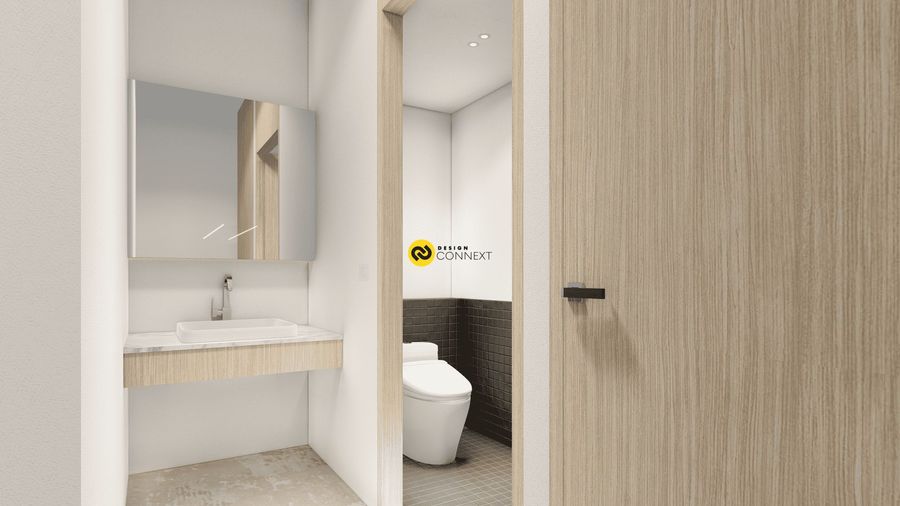
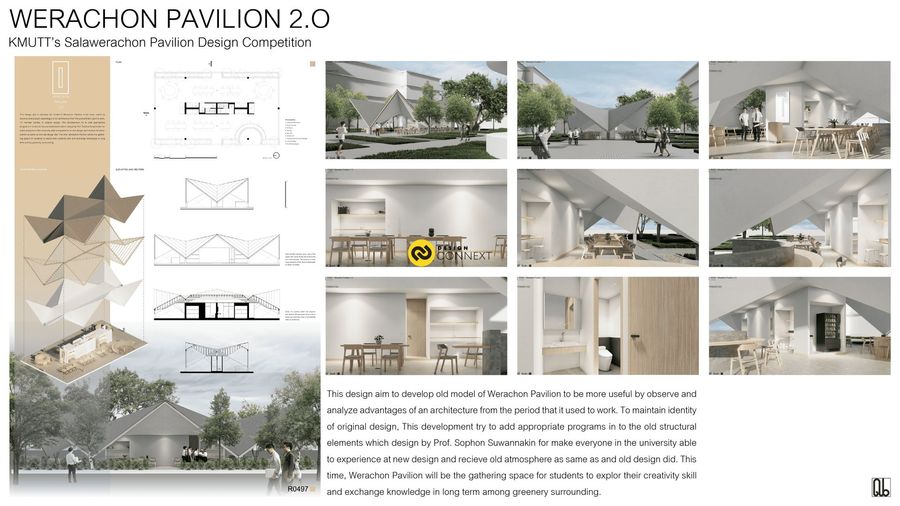
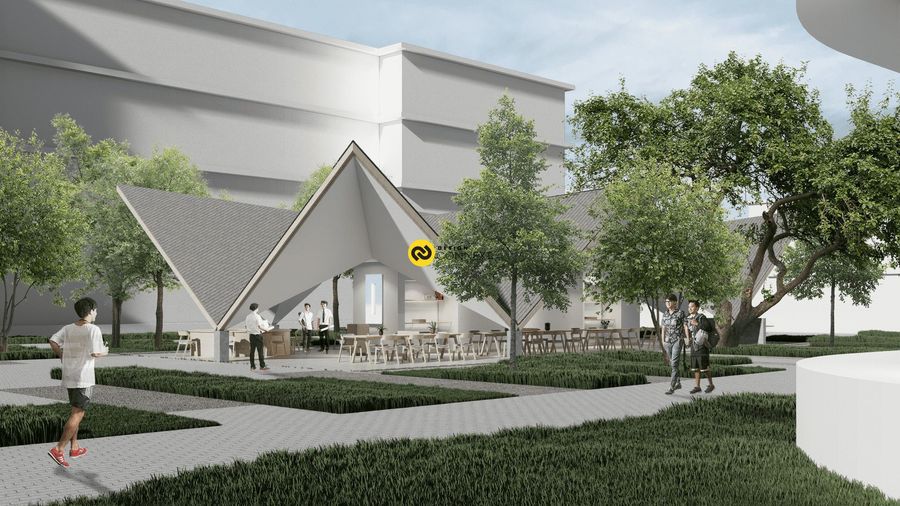
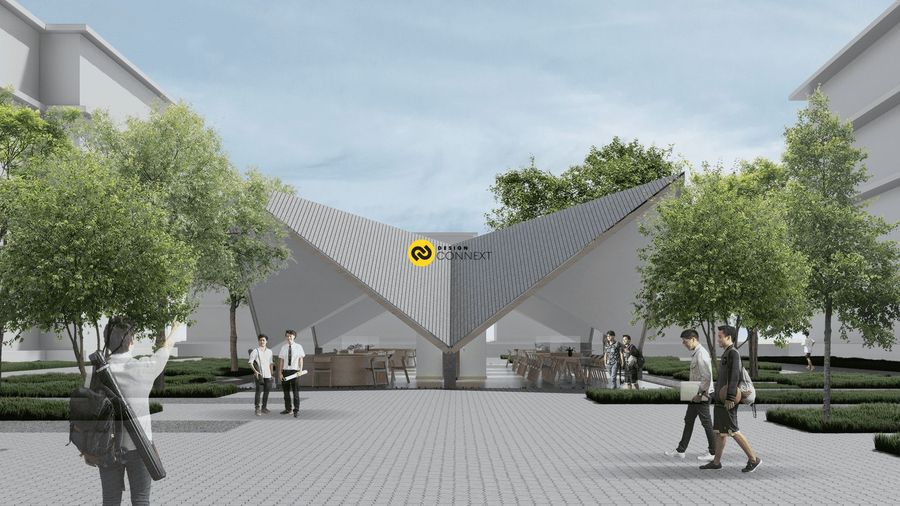
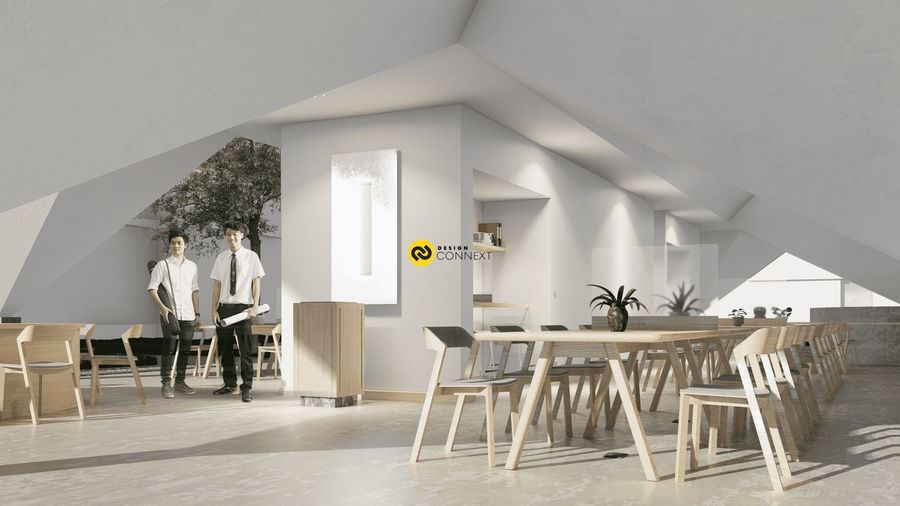
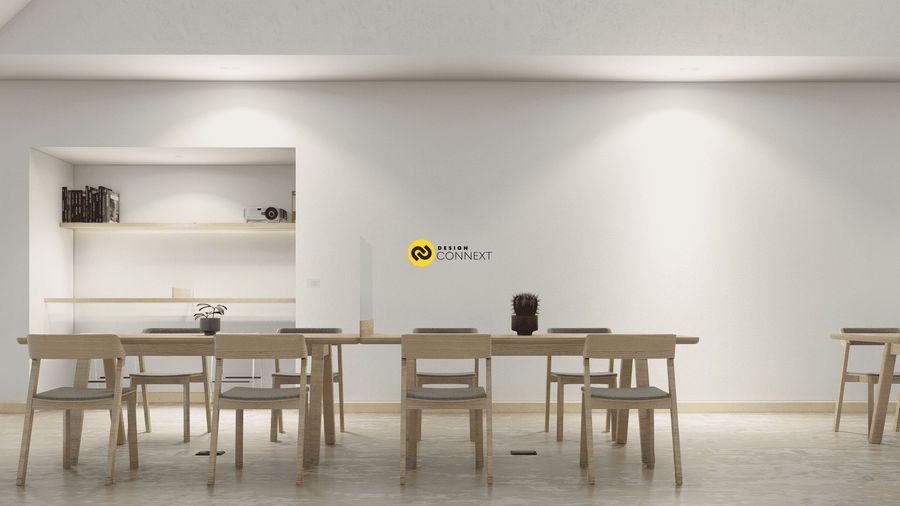
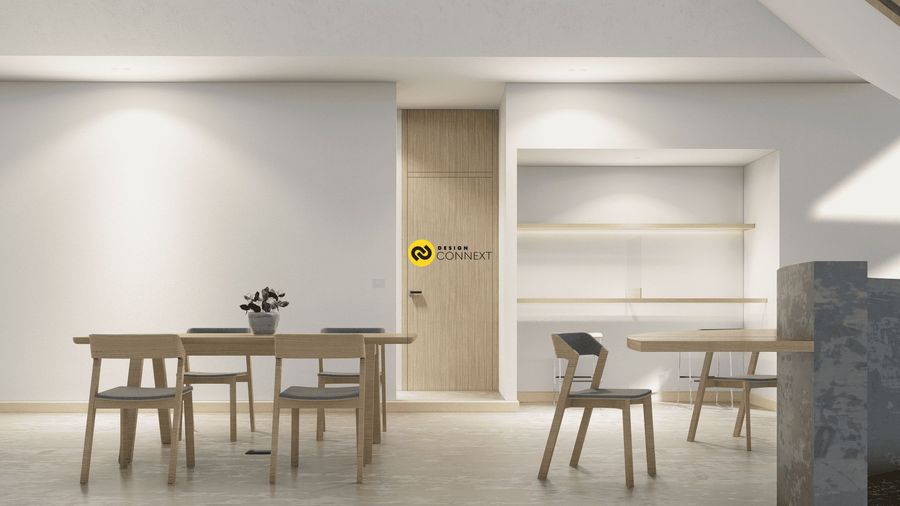
Werachon Pavilion 2.O KMUTT’s Salawerachon Pavilion Design Competition "To redesign the historical pavilion of King Mongkut's University of Technology Thonburi."
Product Recommend





19
เข้าชม
1
ถูกใจ
ไทย
ข้อมูลทั่วไป
เข้าชม
8 ครั้ง
ปี
2021
ขนาดพื้นที่
288 ตร.ม.
ประเภทโครงการ
อื่น ๆ
ผลงานที่เกี่ยวข้อง
150 ตร.ม.
2025
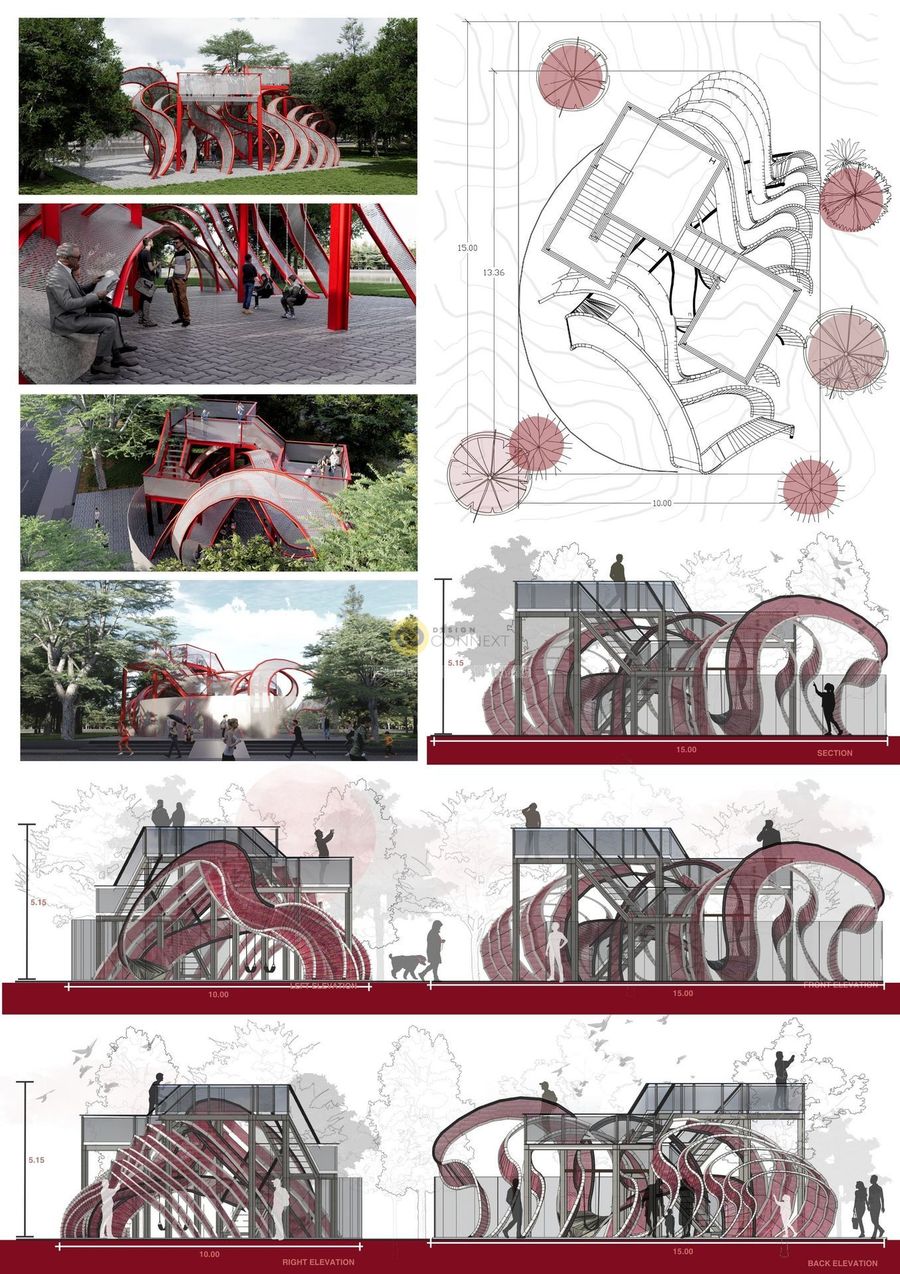
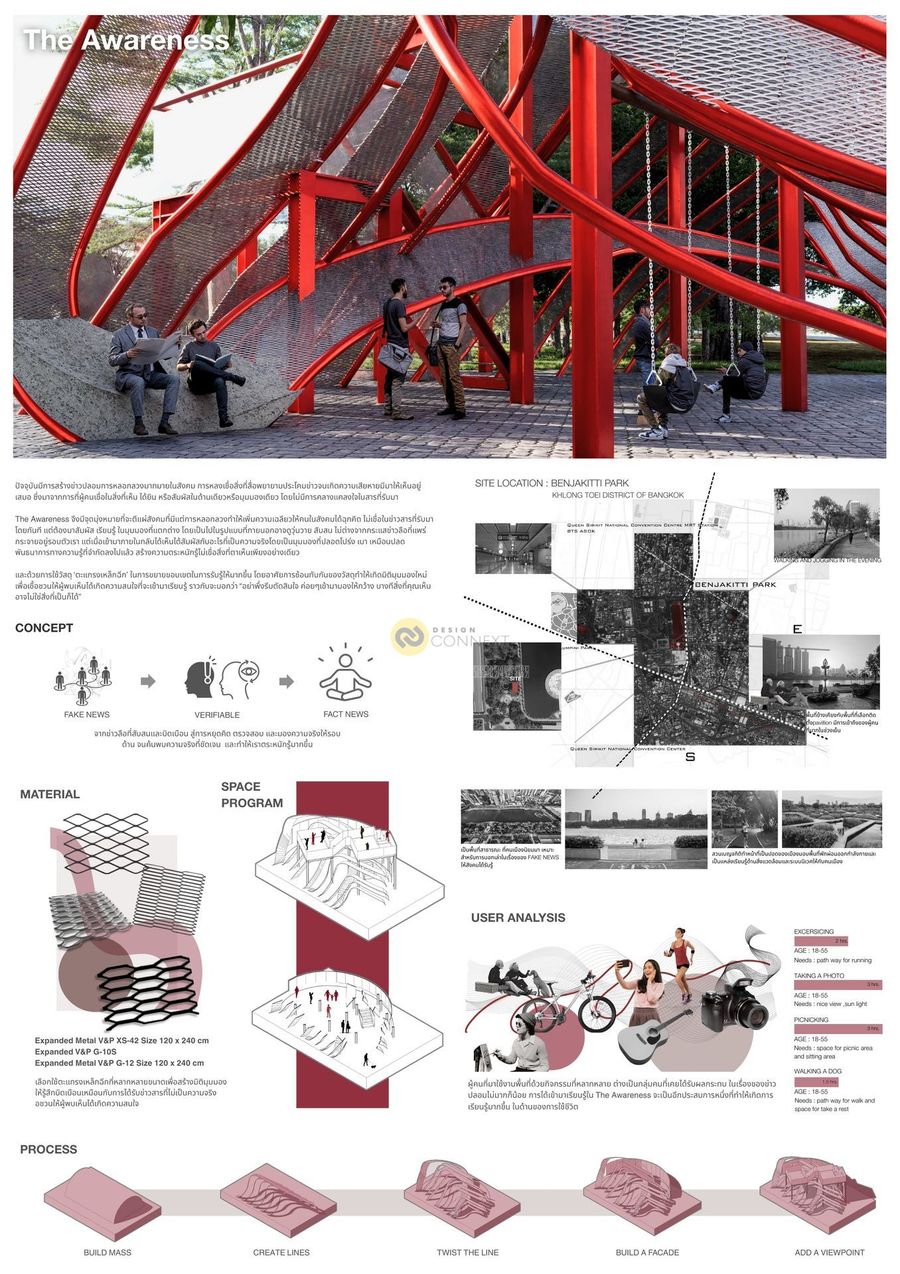
ปัจจุบันมีการสร้างข่าวปลอมการหลอกลวงมากมายในสังคม การหลงเชื่อสิ่งที่สื่อพยายามประโคมข่าวจนเกิดความเสียหายมีมาให้เห็นอยู่เสมอ ซึ่งมาจากการที่ผู้คนเชื่อในสิ่งที่เห็น ได้ยิน หรือสัมผัสในด้านเดียวหรือมุมมองเดียว โดยไม่มีการคลางแคลงใจในสารที่รับมา
The Awareness จึงมีจุดมุ่งหมายที่จะตีแผ่สังคมที่มีแต่การหลอกลวงทำให้เพิ่มความเฉลียวให้คนในสังคมได้ฉุกคิด ไม่เชื่อในข่าวสารที่รับมาโดยทันที แต่ต้องมาสัมผัส เรียนรู้ ในมุมมองที่แตกต่าง โดยเป็นไปในรูปแบบที่ภายนอกอาจดูวุ่นวาย สับสน ไม่ต่างจากกระแสข่าวลือที่แพร่กระจายอยู่รอบตัวเรา แต่เมื่อเข้ามาภายในกลับได้เห็นได้สัมผัสกับอะไรที่เป็นความจริงโดยเป็นมุมมองที่ปลอดโปร่ง เบา เหมือนปลดพันธนาการทางความรู้ที่จำกัดลงไปแล้ว สร้างความตระหนักรู้ไม่เชื่อสิ่งที่ตาเห็นเพียงอย่างเดียว
และด้วยการใช้วัสดุ ‘ตะแกรงเหล็กฉีก’ ในการขยายขอบเขตในการรับรู้ให้มากขึ้น โดยอาศัยการซ้อนทับกันของวัสดุทำให้เกิดมิติมุมมองใหม่เพื่อเชื้อชวนให้ผู้พบเห็นได้เกิดความสนใจที่จะเข้ามาเรียนรู้ ราวกับจะบอกว่า “อย่าพึ่งรีบตัดสินใจ ค่อยๆเข้ามามองให้กว้าง บางทีสิ่งที่คุณเห็น อาจไม่ใช่สิ่งที่เป็นก็ได้”
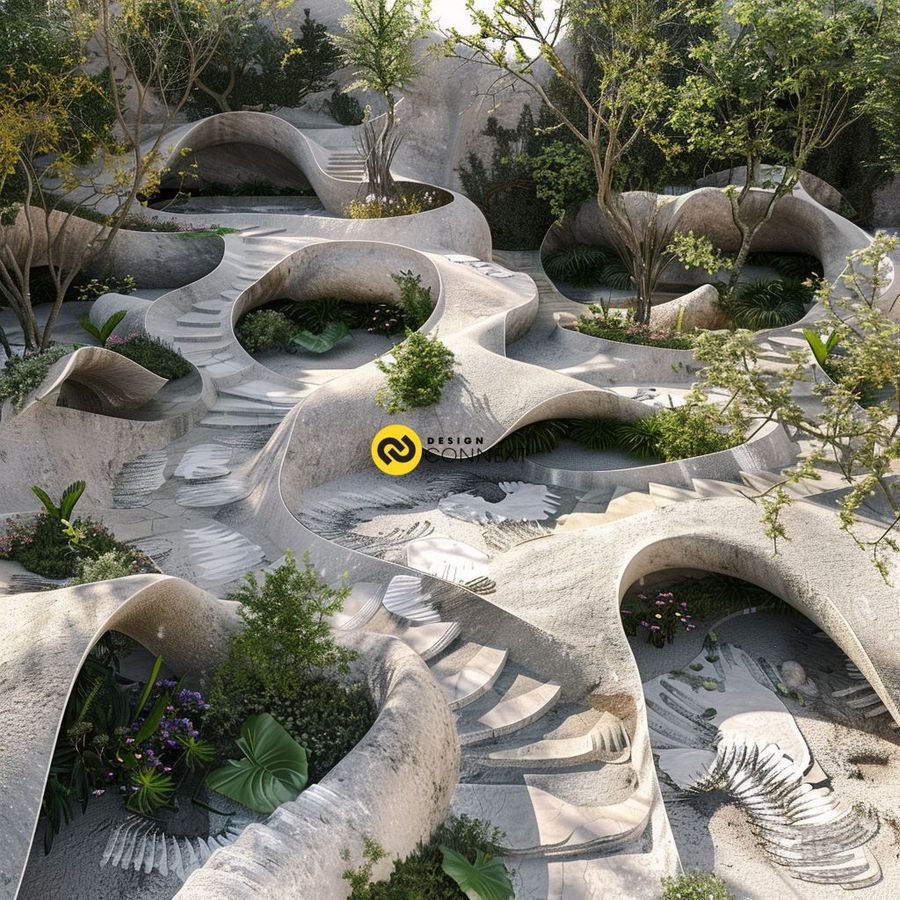

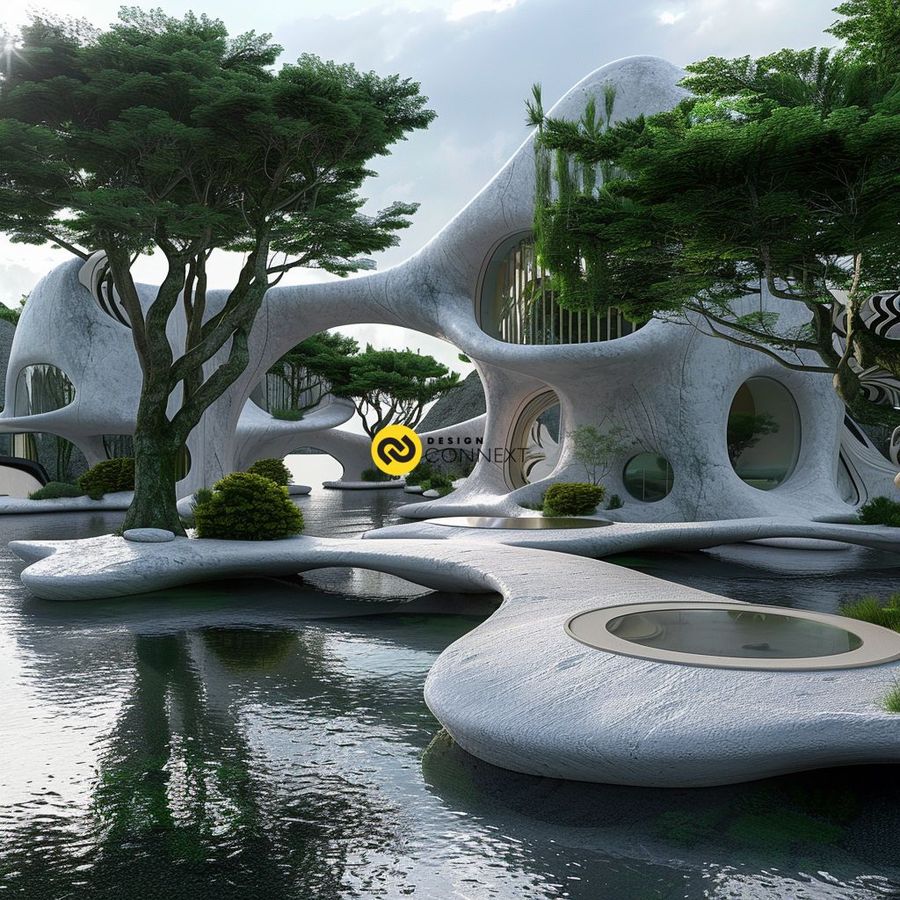
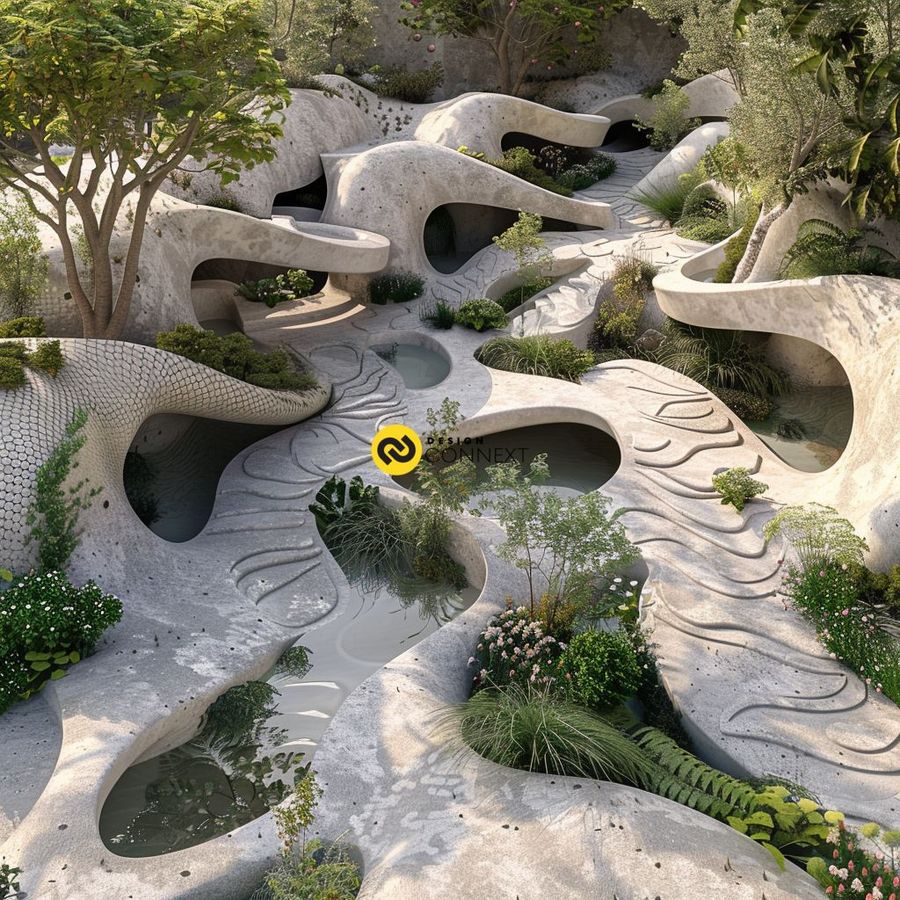
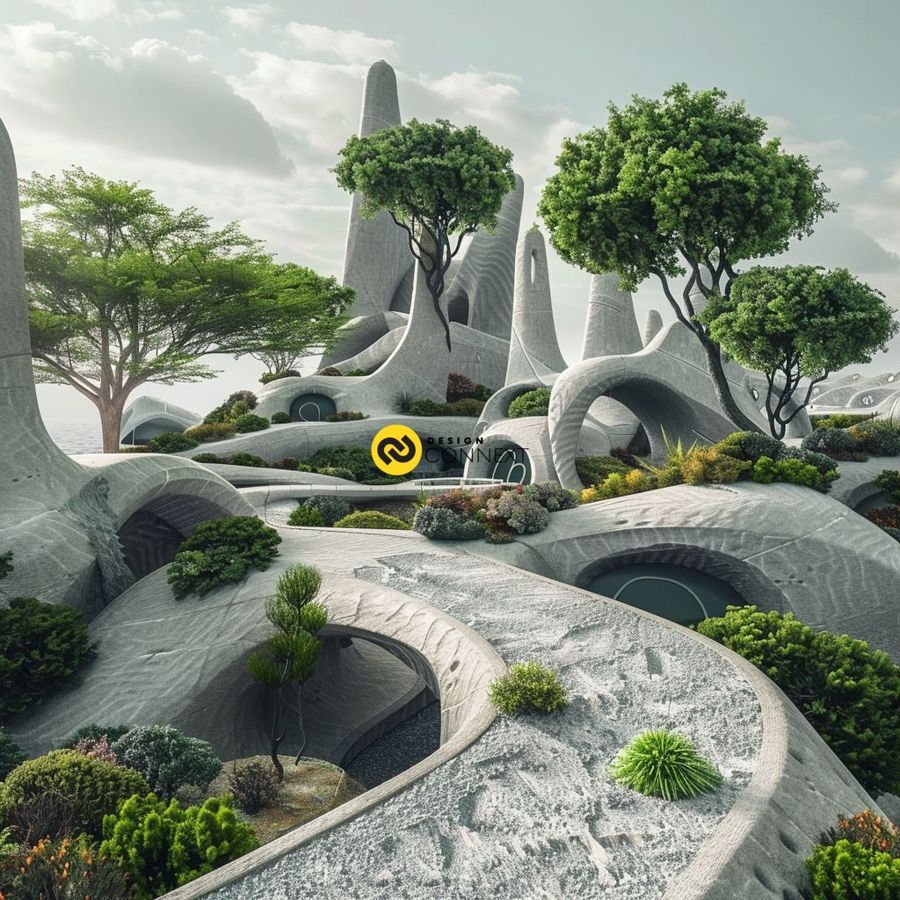
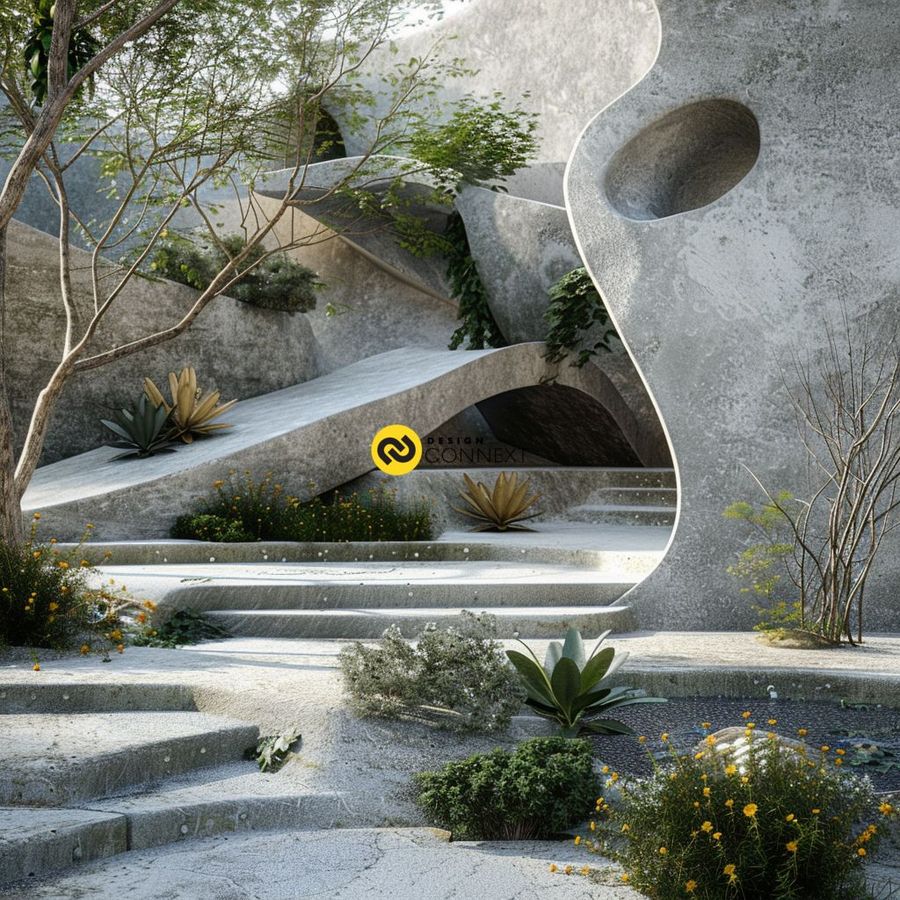
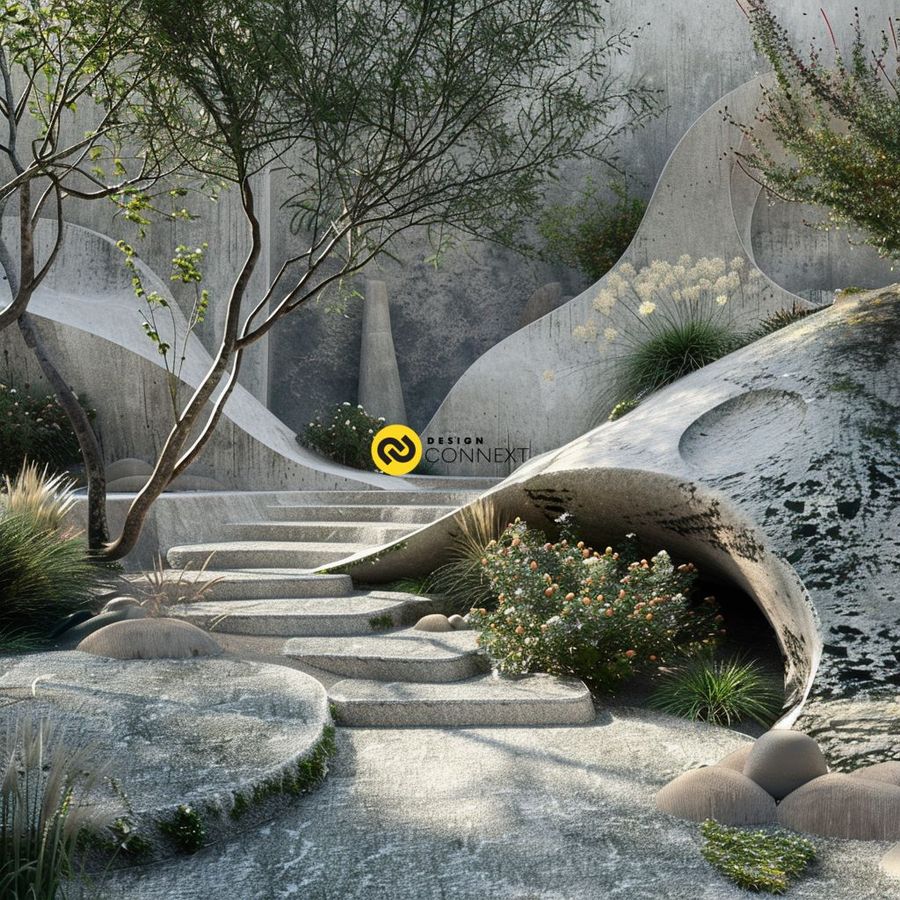
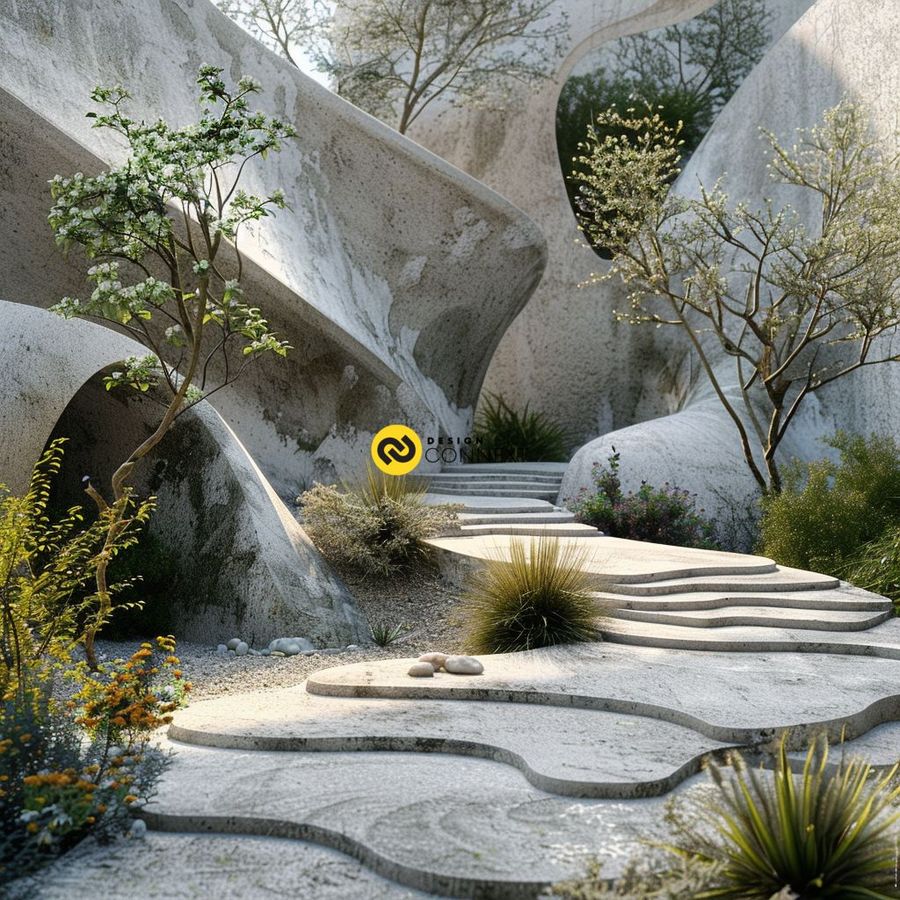
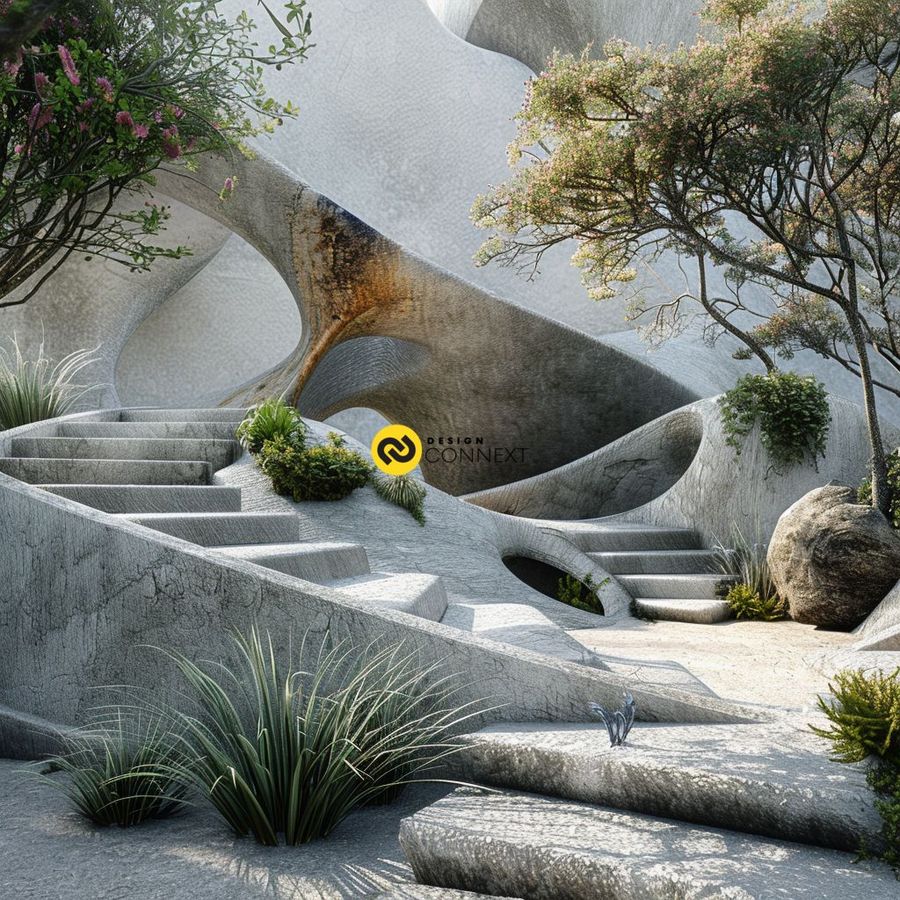
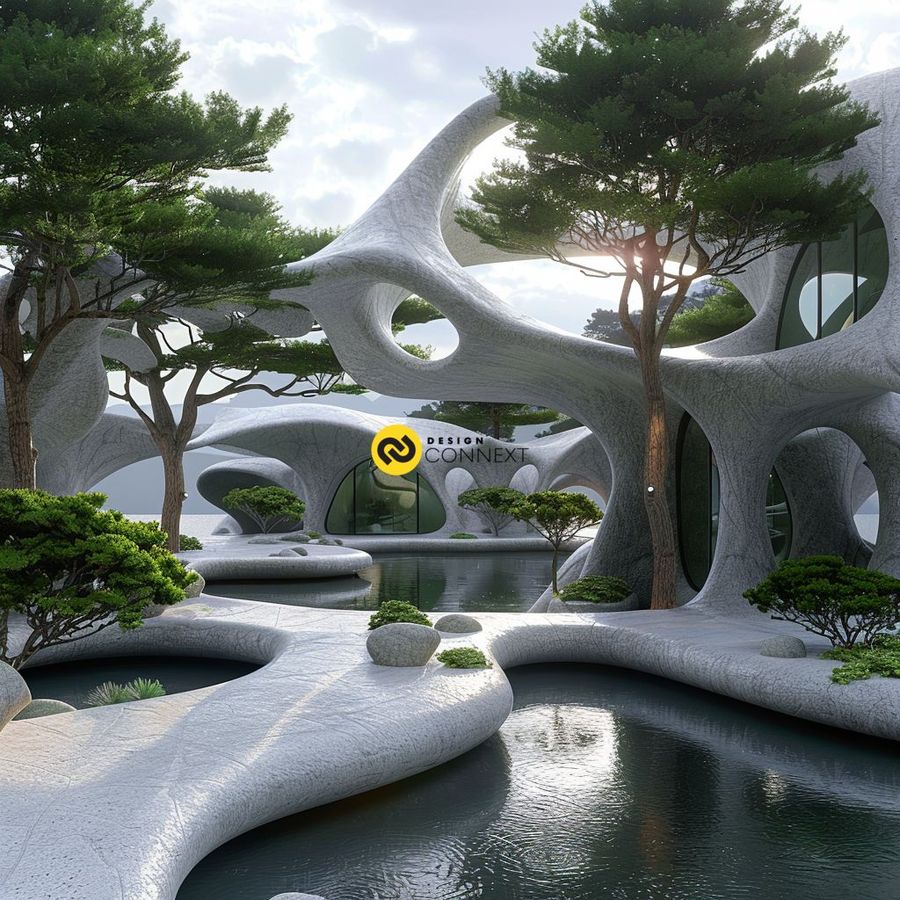
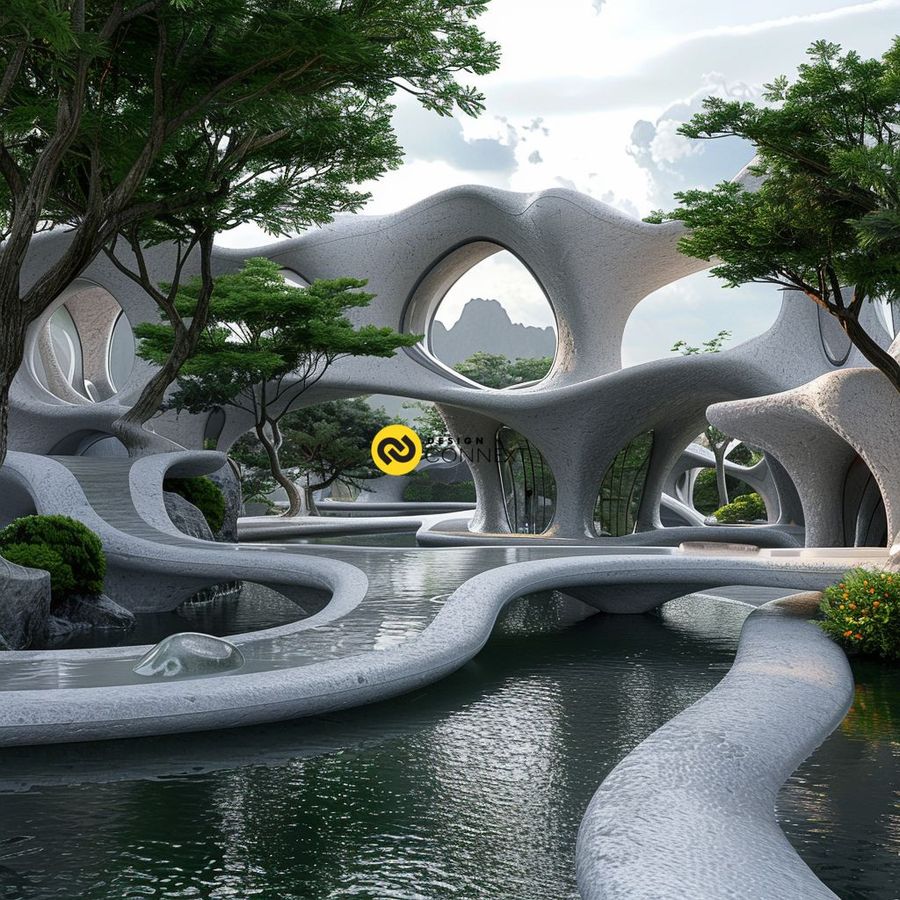
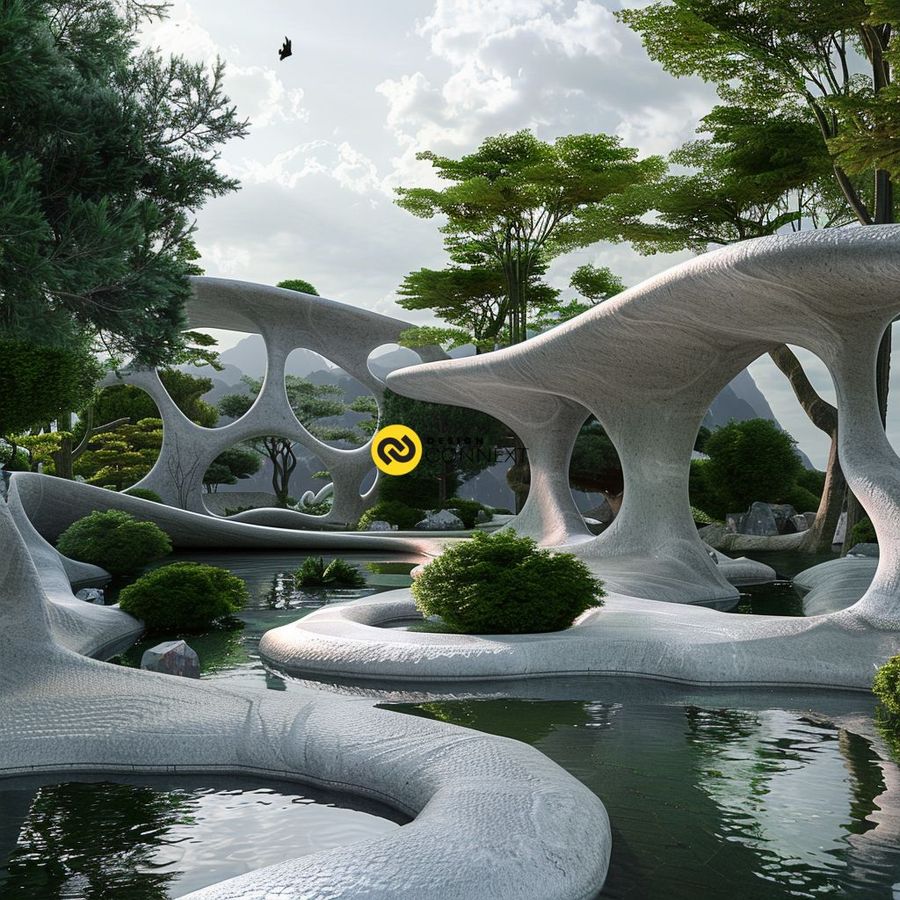
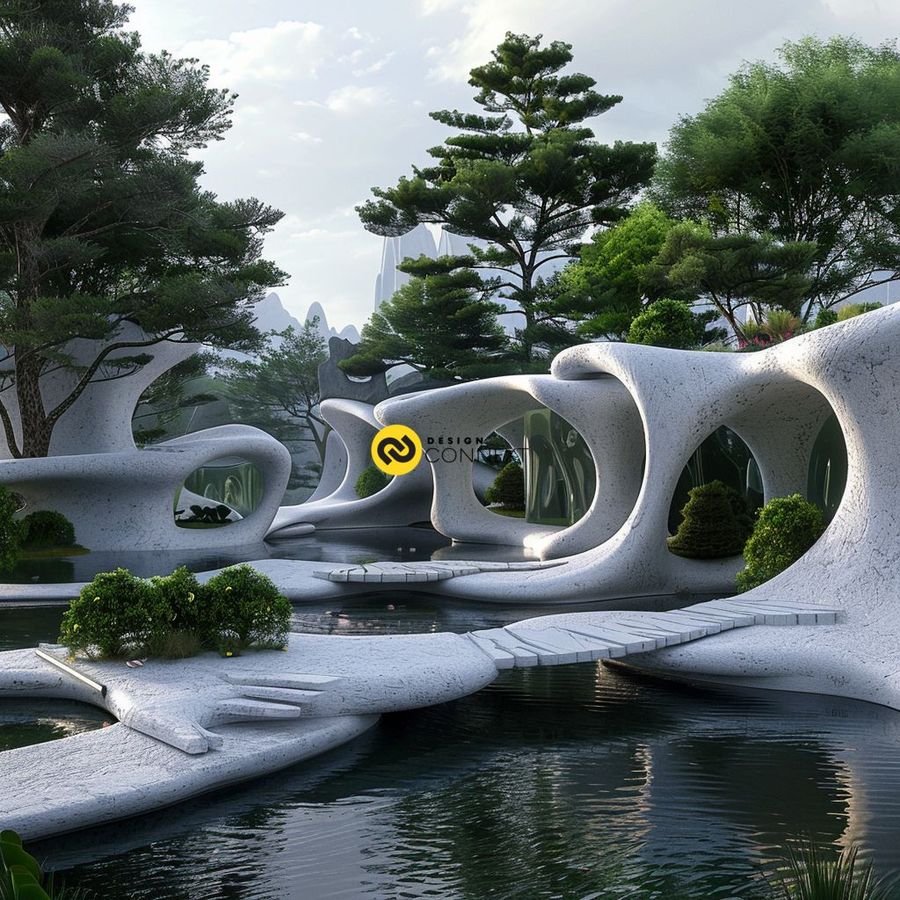
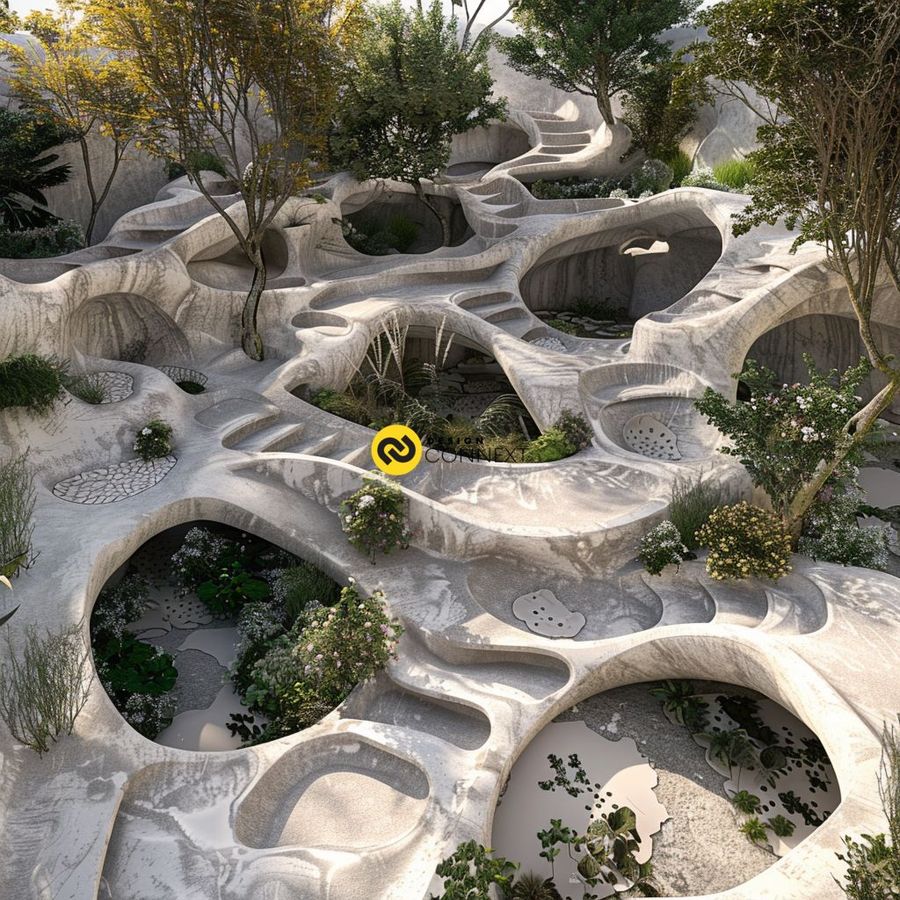
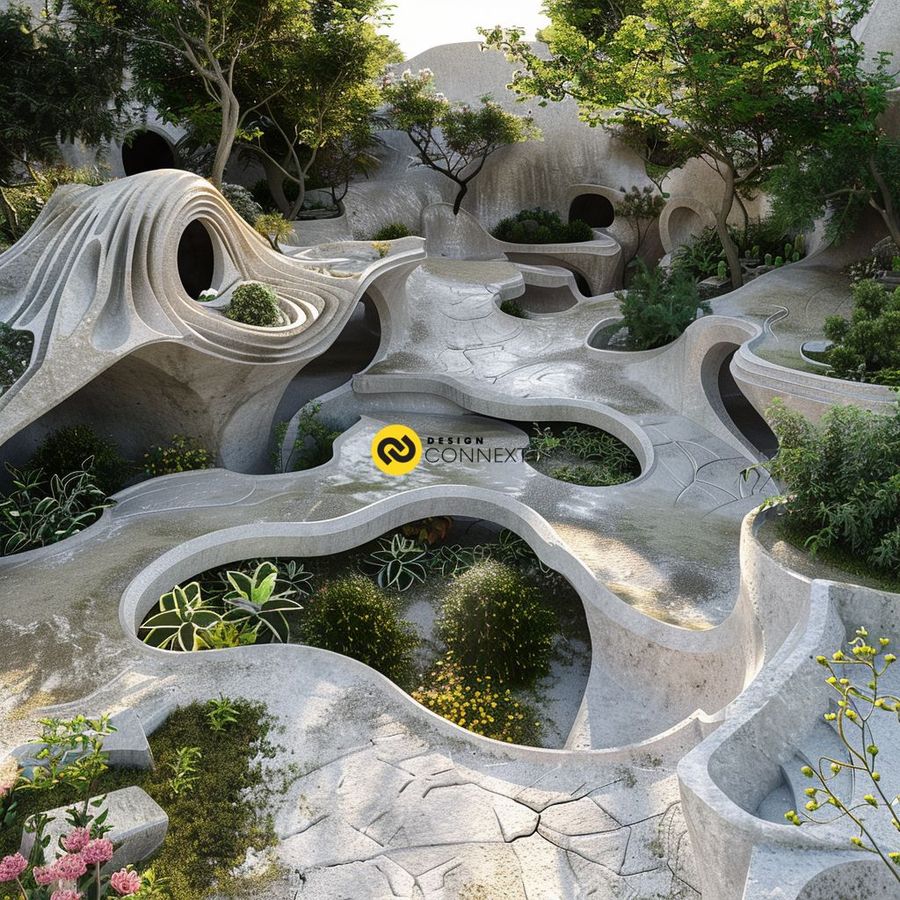
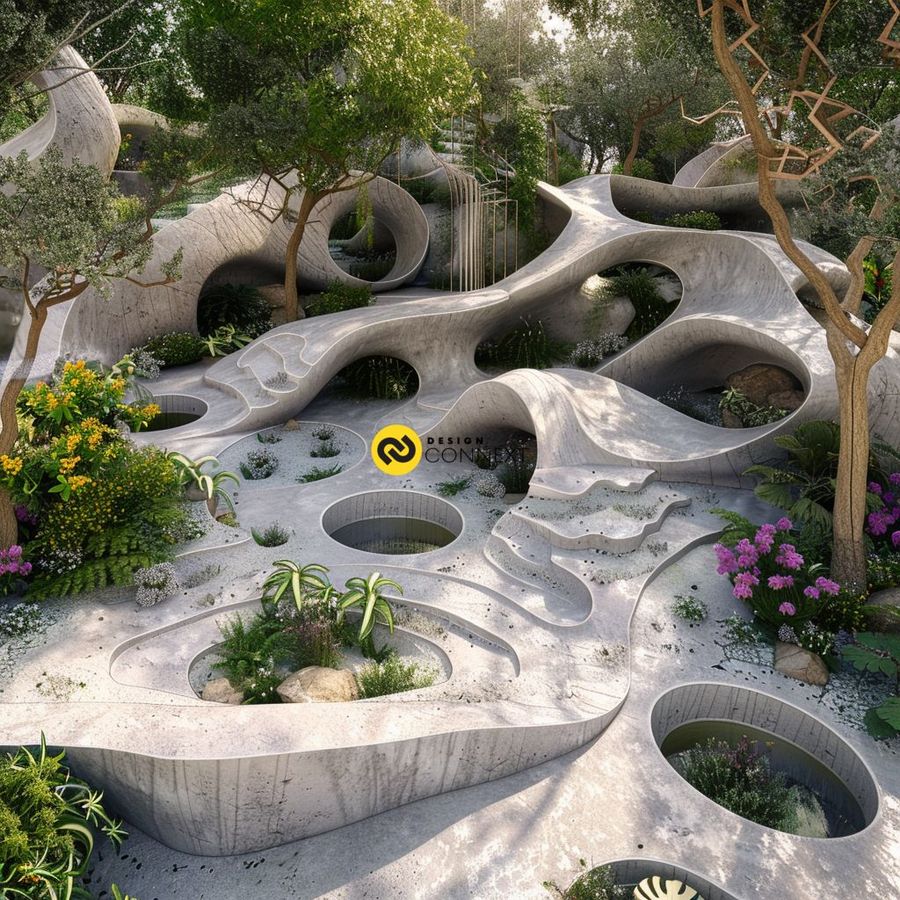
"สัมผัสความงามเหนือจินตนาการกับสถาปัตยกรรมแห่งอนาคตที่ผสานธรรมชาติและดีไซน์ล้ำสมัย 🌿✨
เส้นสายโค้งมนที่ไร้ขีดจำกัด ให้บรรยากาศสงบผ่อนคลายเหมือนอยู่ในโลกแห่งศิลปะสุดพิเศษ
ตอบโจทย์พื้นที่พักผ่อนที่ไม่ซ้ำใคร เติมเต็มแรงบันดาลใจทุกครั้งที่มอง 🌳🏞️
📲 **สนใจติดต่อ Line: @Laddashop นะคะ
#สถาปัตยกรรมแห่งอนาคต #ผสานธรรมชาติและดีไซน์ #พื้นที่พักผ่อนล้ำสมัย #แรงบันดาลใจแห่งศิลปะ #ไอเดียการออกแบบ"
